


Last updated: August 25, 2026
Yes, in a specific and usually temporary way. Earwax buildup and hearing loss are connected when enough wax accumulates to physically block the ear canal, which muffles sound the same way a finger pressed against your ear would. It is one of the more common, and more fixable, reasons someone shows up worried about their hearing and leaves relieved rather than concerned. The only way to know if that is what is happening in your case is a look inside the ear canal.
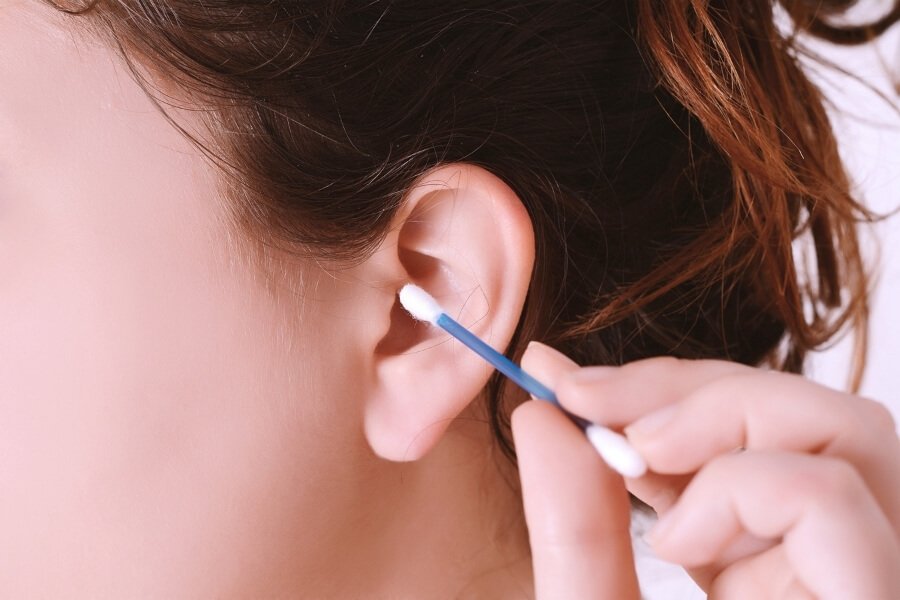
This is worth understanding properly, because the instinct to deal with it yourself, a cotton swab, a bobby pin, a home removal kit, is exactly the thing most likely to make it worse.
Listen to this article as a podcast
Can Earwax Buildup Cause Hearing Loss?
A closer look at how earwax buildup affects hearing, the symptoms to watch for, and why professional removal is the safer route.
How wax buildup actually blocks hearing
Earwax, or cerumen, is not a hygiene failure. It is produced on purpose, to trap dust and debris and keep the ear canal from drying out. Normally it works its way out on its own through jaw movement and skin growth in the canal. Problems start when wax is pushed deeper instead of clearing naturally, which is exactly what happens when something is inserted into the ear to “clean” it.
When enough wax packs against the eardrum, sound waves cannot travel through the canal the way they are supposed to. The result is a conductive hearing change, meaning the mechanical path for sound is blocked, rather than a change in the nerve or inner ear itself. That distinction matters, because a conductive blockage is often reversible once the wax is properly removed, while nerve related hearing loss is a different situation that needs a different kind of care.
Did you know
The American Academy of Otolaryngology, Head and Neck Surgery notes that inserting objects like cotton swabs into the ear canal can push wax deeper and, in some cases, injure the eardrum or the small bones behind it. The safest removal method is the one performed by someone trained to see what they are doing.
Symptoms that point toward wax rather than something else
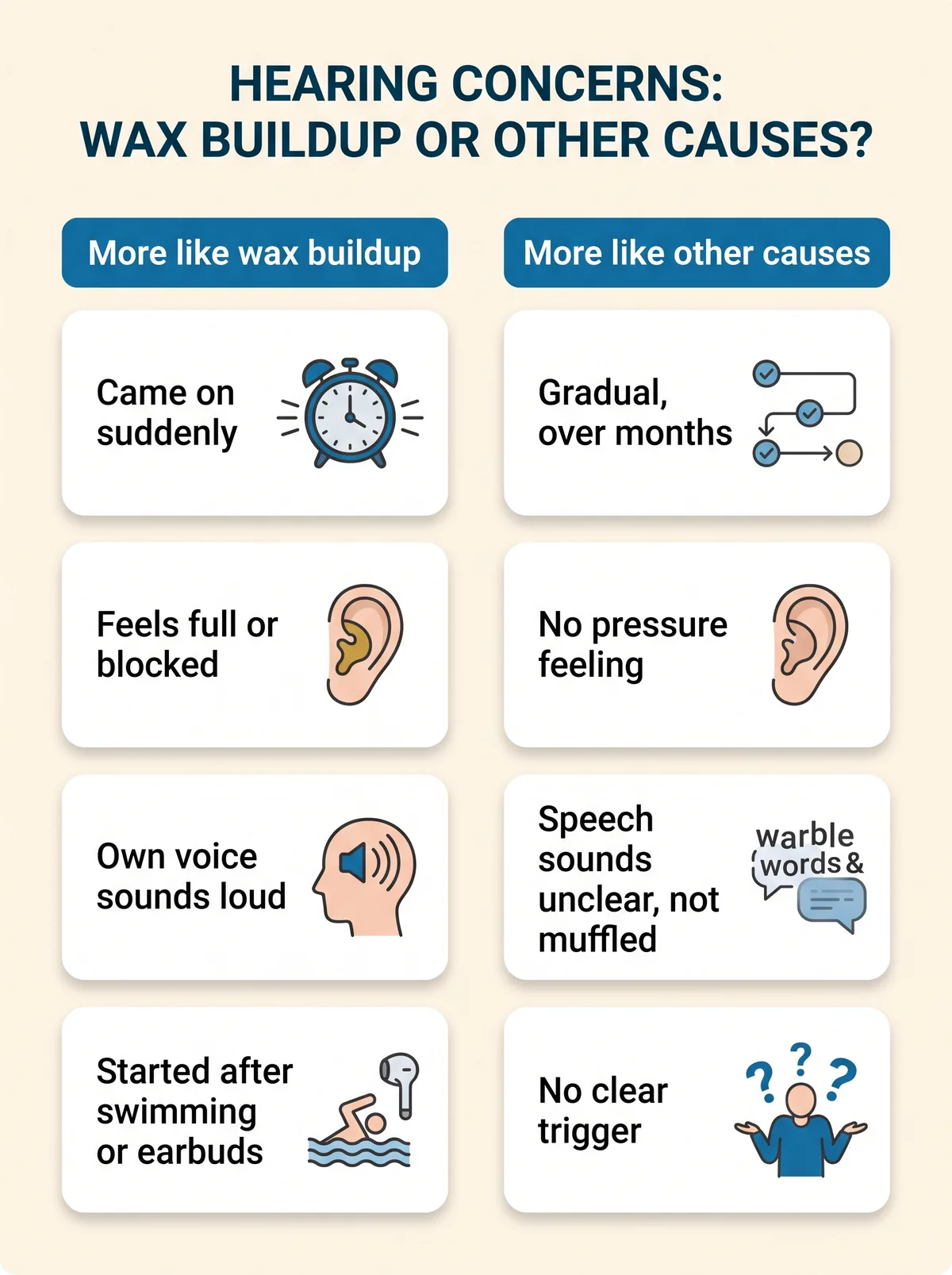
- It came on quickly, over days rather than months. While a sudden change is often just a wax blockage, it can also be a symptom of a viral inner-ear infection or Sudden Sensorineural Hearing Loss (a medical emergency). This is exactly why any sudden drop in hearing should be evaluated by a professional immediately, rather than waiting it out.
- One ear feels full or “underwater.” A pressure sensation, sometimes with a mild ache, often points to wax or fluid rather than nerve related change.
- Your own voice sounds unusually loud or echoey. This is a classic sign of a blocked canal, sometimes called the occlusion effect.
- It followed swimming, showering often, or using earbuds heavily. Moisture can cause wax to swell, and earbuds can pack existing wax further in.
- Mild ringing came on at the same time. A blocked canal can trigger or worsen tinnitus for some people, though tinnitus has other causes too.
None of these symptoms confirm wax on their own. They are simply the pattern that tends to show up when wax is the cause, which is different from the pattern of a gradual, ongoing hearing change covered in our guide to the first signs of hearing loss.
| Pattern | More consistent with wax buildup | More consistent with other causes |
|---|---|---|
| Speed of onset | Sudden, over days | Gradual, over months or years |
| Which ear | Often one ear | Often both ears, though not always |
| Associated feeling | Fullness, pressure, own voice sounds loud | No pressure sensation, speech sounds unclear rather than muffled |
| Recent activity | Swimming, heavy earbud use, using cotton swabs | No clear trigger event |
People often ask
“If my ear feels blocked, is it always wax?” Not always. Fluid behind the eardrum, a middle ear infection, and less commonly a foreign object can all cause a similar feeling of fullness. That is exactly why a visual check is the reliable way to tell the difference, rather than guessing from the symptom alone.
Why professional removal is the safer route
Cotton swabs, ear candles, and bobby pins are the three most common ways people try to manage wax at home, and all three carry real risk. A swab can push wax deeper into the canal, right up against the eardrum, turning a minor blockage into a harder to reach one. A scratch to the delicate skin of the ear canal can lead to irritation or infection. In rarer cases, inserting something rigid can injure the eardrum itself.
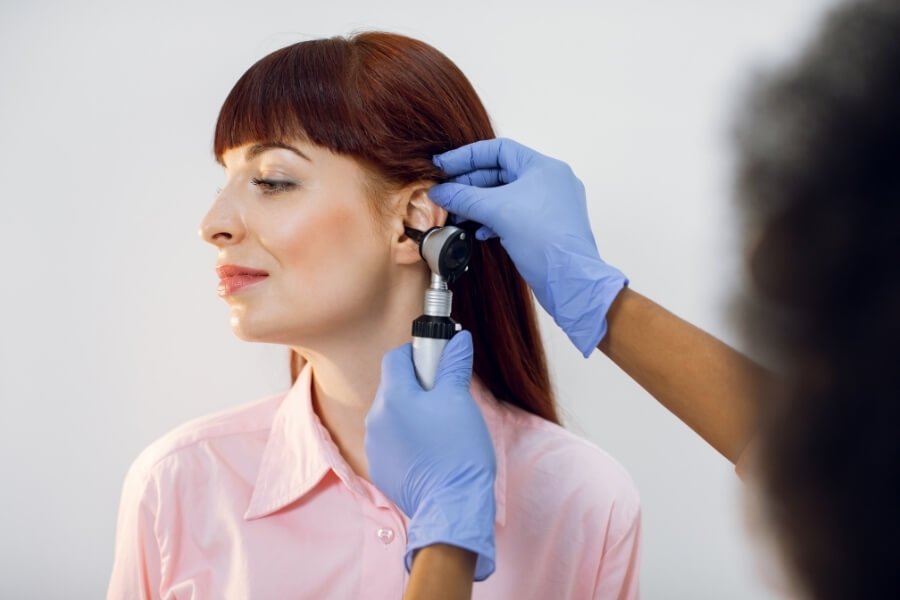
Professional removal, whether by microsuction or gentle irrigation, is done under direct visualization, meaning the person doing it can actually see what they are removing and where the eardrum is at every step. That is the core difference between a home attempt and a clinical one, and it is why hearing health professionals generally recommend against home removal tools for anything beyond very mild, surface level wax.
When it is worth booking an appointment
A little wax is normal, and most people never need it removed by a professional. It is worth booking a check if you notice a sudden change in hearing in one or both ears, a persistent feeling of fullness, discomfort or mild pain, drainage from the ear, or if a home removal attempt has already made things feel worse rather than better. Any sudden hearing change, whether or not you suspect wax, is worth having looked at rather than waiting out.
What the appointment looks like
A hearing health professional will look into the ear canal first, confirm whether wax is actually the issue, and remove it using a method suited to how much has built up. If hearing does not fully return to normal once the wax is cleared, that is useful information too, since it points toward a cause beyond the blockage that deserves its own evaluation.
Reducing how often it becomes a problem
You cannot stop your ears from producing wax, and you would not want to, since it is part of how the ear protects itself. What helps is reducing the habits that push wax deeper or trap moisture against it: keeping cotton swabs and similar tools out of the canal itself, drying ears gently after swimming or showering, and mentioning a wax history to your hearing health professional so it can be checked at routine visits rather than only when it becomes a problem.
Good to know
This article is general information, not a diagnosis or a substitute for a professional hearing assessment. Hearing changes have many possible causes, and only a qualified hearing health professional who examines you can tell you what is actually happening in your ears. Do not attempt to remove earwax with cotton swabs or other tools at home. Hearvana is not responsible for decisions made solely on the basis of this article.
Download the free quick guide
A one page guide to the symptoms of wax buildup, what to avoid at home, and when to book a professional removal.
Frequently asked questions
Will removing earwax restore my hearing completely?
Often, yes, if wax buildup was genuinely the only cause. Many people notice an immediate, noticeable improvement once a blockage is cleared. If hearing does not fully return to where it was, that points toward an additional cause worth having assessed separately, rather than meaning the wax removal did not work.
Are ear candles a safe way to remove wax?
Hearing health professionals generally advise against ear candling. There is no reliable evidence that it draws wax out, and it carries a real risk of burns and dripped wax injuring the ear canal or eardrum. A professional removal method is the safer choice.
How often does earwax need to be professionally removed?
It varies a lot from person to person. Some people rarely need it. Others, particularly hearing aid wearers or people who produce more wax naturally, benefit from a check every few months. Your hearing health professional can recommend a schedule based on how quickly wax tends to build up in your specific ears.
Can children get earwax related hearing loss too?
Yes, wax blockages happen at any age. In children it is worth having checked by a professional rather than attempting removal at home, for the same reasons that apply to adults, plus the added complication of a smaller, more delicate ear canal.
If your ears have felt blocked, sounds have gone muffled, or a home removal attempt has not helped, a proper look is the fastest way to actual answers. Hearvana offers mobile and in-clinic earwax removal across Vaughan and nearby communities including Markham and Kleinburg, and you can book an appointment to get it checked properly.

Written by
James K.
Freelance writer specializing in hearing health and assistive technology
James K. is a freelance writer covering hearing health, assistive listening technology, and ear care topics. He is not a licensed audiologist or hearing instrument specialist; his articles point readers toward qualified hearing health professionals for diagnosis and treatment.
