

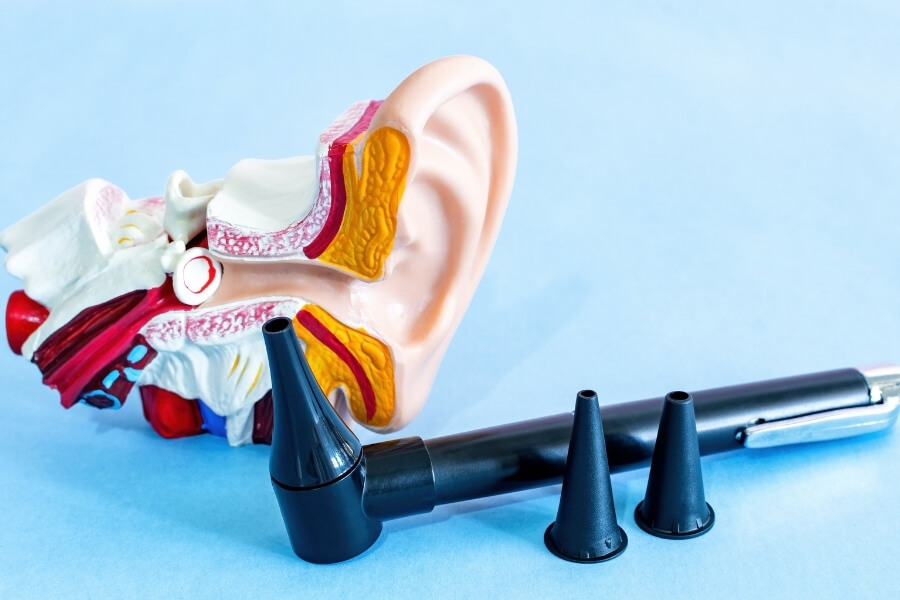
Last updated: August 4, 2026
Last updated August 2026, reviewed by Tamar Nosovsky, Audiologist.
Getting medical devices paid for through government channels often feels incredibly frustrating. Forms pile up on your kitchen table while you just want to hear your family clearly again. Our team works out of a specialized audiology clinic located right here in Vaughan. We handle everything from standard hearing tests to complex hearing loss rehab every single day. Navigating the rules of Health Canada programs requires a bit of patience and a lot of specific paperwork. You might be wondering what exact steps are necessary to get your devices funded. Let’s break down the actual process into digestible pieces. Understanding the requirements for NIHB coverage for Indigenous people hearing services right away saves a massive amount of wasted effort later on. The Non-Insured Health Benefits program supports eligible First Nations and Inuit clients through Indigenous Services Canada. We deal directly with these claims to make your life much easier.
Getting Started with a Proper Assessment
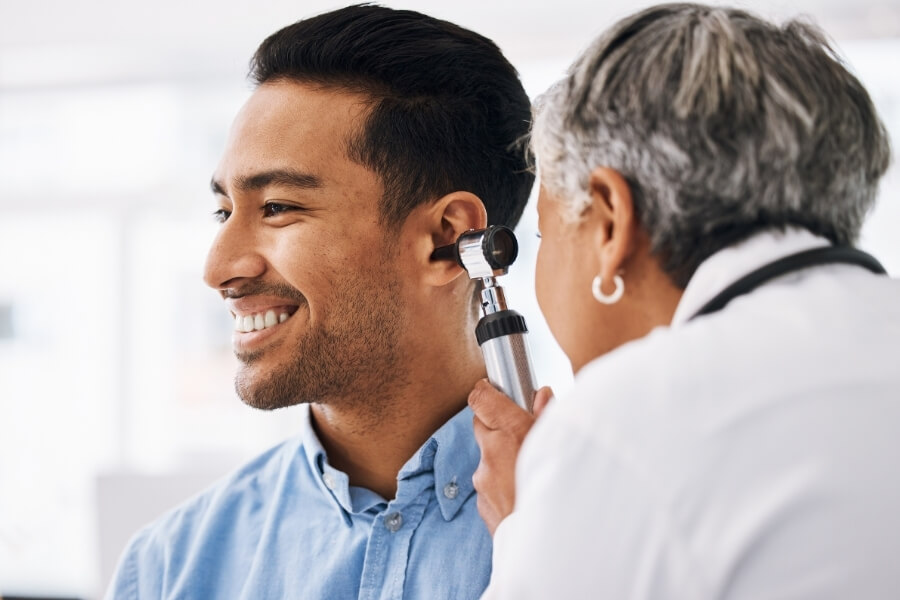
Before any funding gets approved, the government demands a highly detailed medical foundation. You cannot just walk in and ask for an amplifier. Securing NIHB coverage for Indigenous people hearing services starts with a comprehensive evaluation of your entire peripheral auditory system. We sit down with you in our Vaughan office to document a full clinical history. Then, our audiologist takes a close look inside your ear canal using a specialized otoscope.
We measure your acoustic immittance to see how your middle ear reacts to pressure. Following that, a pure tone hearing test checks your air conduction thresholds across frequencies ranging from 250 to 8000 Hertz. Bone conduction measurements happen next if your initial results drop below a specific baseline. The government categorically rejects any virtual appointments for this stage. You have to be physically present in the booth. A recognized prescriber has to initiate the recommendation for coverage. In Ontario, physicians and audiologists hold the exclusive legal authority to prescribe hearing aids. Once prescribed, our clinical team can dispense the equipment, customize your fit, and handle the funding paperwork.
What Hardware and Devices Are Included?
After your test results are locked in, our clinic creates a detailed report outlining the configuration and degree of your auditory decline. That document has to be less than six months old to be valid. It forms the absolute core of your funding request. The program pays for a wide variety of hardware depending on your exact medical needs. Standard behind-the-ear and in-the-ear hearing aids make up the vast majority of our daily claims. The policy also extends to bone-anchored hearing system processors and remote microphones. Age definitely changes the eligibility guidelines for certain technologies. Children facing auditory issues have a different set of approval standards compared to older adults.
Any device funded by NIHB coverage for Indigenous people hearing services includes a strict manufacturer warranty. Adults receive two years of baseline protection plus one year of loss and damage coverage limited to a single occurrence. Children under eighteen get two full years of that identical loss and damage protection. The rules even mandate a ninety-day return privilege at no cost to the client. Once the hardware arrives at our clinic, the customization phase kicks off. We take physical impressions of your ear canals to manufacture custom hearing molds. A tight physical fit stops annoying feedback whistling and prevents the hard plastic from rubbing against your delicate skin. We then program the internal computer chips to match the mathematical data pulled directly from your audiogram.
Batteries, Repairs, and Daily Upkeep
Electronic medical devices require constant power and routine maintenance to survive out in the real world. The benefits list carefully regulates how many supplies you can claim. Standard battery allowances sit at twenty-four units every one hundred and forty-four days per ear. People using a cochlear implant processor get a slightly higher limit of seven disposable batteries per week. A brand new bone conduction unit actually ships inside an accessory box packed with retention cups, cleaning brushes, and adhesive adapters. The government also covers rechargeable battery chargers with a replacement limit of one every five years.
Things inevitably break when you wear them every day. Restoring a damaged device to its original factory performance level falls under a strict set of repair rules. If a microphone fails during the initial warranty period, the manufacturer covers the fix with zero added service fees. Once that timeframe expires, our staff has to request a brand new prior approval for any major repairs. Sending the serial numbers, a detailed description of the failure, and an exact cost breakdown takes time. Relying on NIHB coverage for Indigenous people hearing services takes the financial sting out of these surprise expenses.
Knowing the Strict Program Exclusions
Every government program draws a hard line in the sand regarding what it will not pay for. The medical supplies guide outlines several strict exclusions that cannot be appealed under any circumstances. Classroom audio distribution systems used exclusively for school environments get rejected instantly. Surgical implants sit completely outside this specific audiology list. The internal surgical components of a cochlear implant belong to a totally different medical billing category. You will also find that standard hearing protectors are flatly refused.
The government absolutely refuses to fund extended warranties for any equipment. Therapy programs like speech coaching, tinnitus retraining therapy, and lipreading courses fall completely outside the scope of NIHB coverage for Indigenous people hearing services . We always lay out these hard rules during your first consultation.
Navigating Aftercare and Rehabilitation
Learning to process environmental sounds again is not a fast process. The brain gets completely overwhelmed by noises it has ignored for decades. Our clinical focus shifts heavily toward hearing loss rehab once your devices are fitted. We sit beside you to explain the physical hardware step by step. You learn how to swap tiny batteries, change the wax guards, and clean the delicate receiver wires. Building these small daily habits determines how well your equipment performs over the long haul.
Rebuilding your listening confidence requires active practice. Handling conversations in a loud restaurant or navigating a crowded grocery store takes time to master. The long-term value of NIHB coverage for Indigenous people hearing services shines brightest during these routine follow-up visits. Aftercare involves tweaking the volume output limits or shifting frequency responses based on your daily struggles. We track every single micro-adjustment in your medical file. We act as your safety net while you adjust to a louder world.
Taking the First Step
Understanding NIHB coverage for Indigenous people hearing services can feel overwhelming at first, but having the right guidance makes the process much more manageable. From assessments and device approvals to repairs and ongoing follow-up care, every step plays a role in achieving better hearing outcomes. Working with an experienced audiology team helps ensure paperwork is completed correctly, funding opportunities are maximized, and your hearing devices continue to support your communication needs for years to come.

Written by
Tamar Nosovsky
Founder & Audiologist, Hearvana Audiology
Tamar Nosovsky is the founder and audiologist at Hearvana Audiology, a mobile and in-clinic hearing care practice in Vaughan serving Thornhill and the Greater Toronto Area. She leads the clinic's hearing assessments, hearing aid fittings, and follow-up care.
